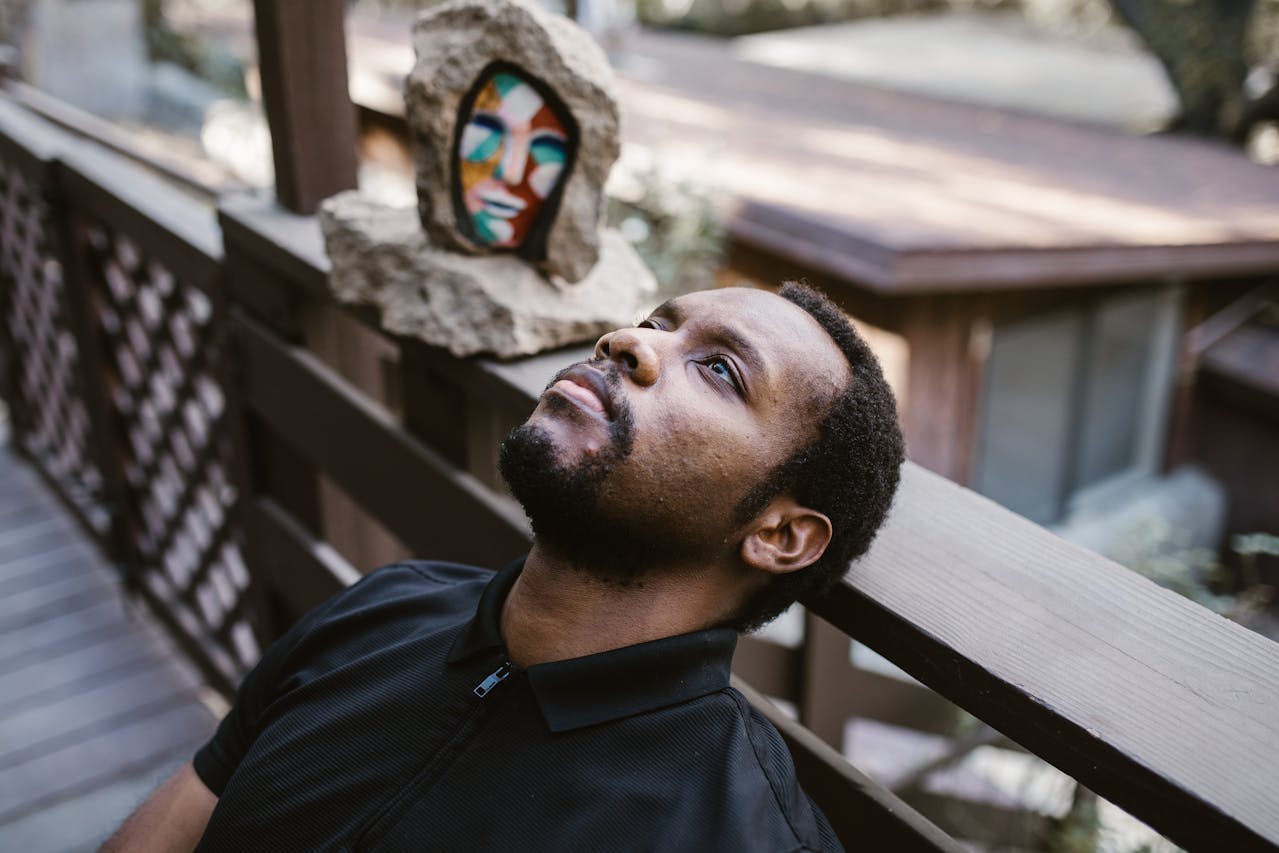
There’s a specific kind of guilt that comes with feeling a wave of sadness in the middle of a wedding, a graduation, or a long-awaited holiday. We tell ourselves, “I should be happy right now,” and when we aren’t, we interpret that sadness as a sign that something is fundamentally wrong with us or our relationships.
But human emotions don’t exist in silos. Joy and sorrow are frequently two sides of the same coin. Feeling blue during a happy moment isn’t a failure of gratitude; it’s actually a byproduct of how our brains process transition and meaning.
The Complexity of Transition
Every happy milestone is, at its core, a transition. And every transition involves a beginning that is preceded by an ending. A wedding marks the end of being single. A graduation marks the end of a specific community or lifestyle. Even a beautiful vacation marks a departure from the routine. The brain naturally mourns what is being left behind, even when the new thing is something we desperately wanted.
When we reach a high point, we’re acutely aware that the moment is fleeting. This awareness of “the end” can trigger a sense of anticipatory grief. We’re sad that it’s over before it has even finished. There’s also what researchers call the contrast effect, where happy occasions act as a spotlight. If there’s a missing piece in your life, whether it’s a lost loved one who should be there or a personal goal not yet met, the joy of the occasion highlights that absence by contrast. The happier the event, the sharper the outline of what is missing.
The Biological Reset
Sometimes, the sadness isn’t even emotional; it’s physiological. High-joy events are high-arousal events. The nervous system doesn’t always distinguish between “good” stress and “bad” stress. Adrenaline is adrenaline. After a period of intense excitement or social stimulation, the body naturally seeks to return to homeostasis. This comedown can feel like a sudden drop in mood or a sense of emptiness, often called the post-event blues.
When the peak of the event passes, your brain’s neurochemistry is essentially rebalancing itself. That low feeling is just your body’s way of catching its breath after an emotional marathon. Understanding this physiological component can help normalize the experience and remove some of the self-judgment that often accompanies these unexpected emotions.
Giving Yourself Permission
The key to moving through these feelings is to stop fighting them. Emotional flexibility, or the ability to hold two conflicting feelings at once, is a hallmark of mental health. You can be both thrilled for your friend’s success and sad about your own current stagnation. You can be both grateful for a family dinner and lonely for the person who isn’t at the table. It’s that kind of complexity that makes us human.
The quickest way to turn a moment of sadness into a week of depression is to judge yourself for it. When you notice sadness creeping in during a happy occasion, try acknowledging it without the “shoulds.” Instead of thinking, “I shouldn’t feel this way,” try, “This is what I’m feeling right now, and that’s okay.” Release the pressure to perform happiness on demand.
Sadness during happy times doesn’t make the joy less real. It’s a sign that you’re deeply connected to the passage of time and the weight of your own experiences. These moments of unexpected emotion are invitations to be compassionate with yourself, to recognize that feeling everything fully is a strength, not a weakness.
If you find yourself struggling to navigate these complex emotions or feeling stuck in sadness long after the celebration has ended, talking with someone can help, including trying therapy for depression.
Sometimes, therapy is just the conversation that helps you make sense of what you’re feeling. Reach out to our office today to learn more about how we can support you in your healing journey.